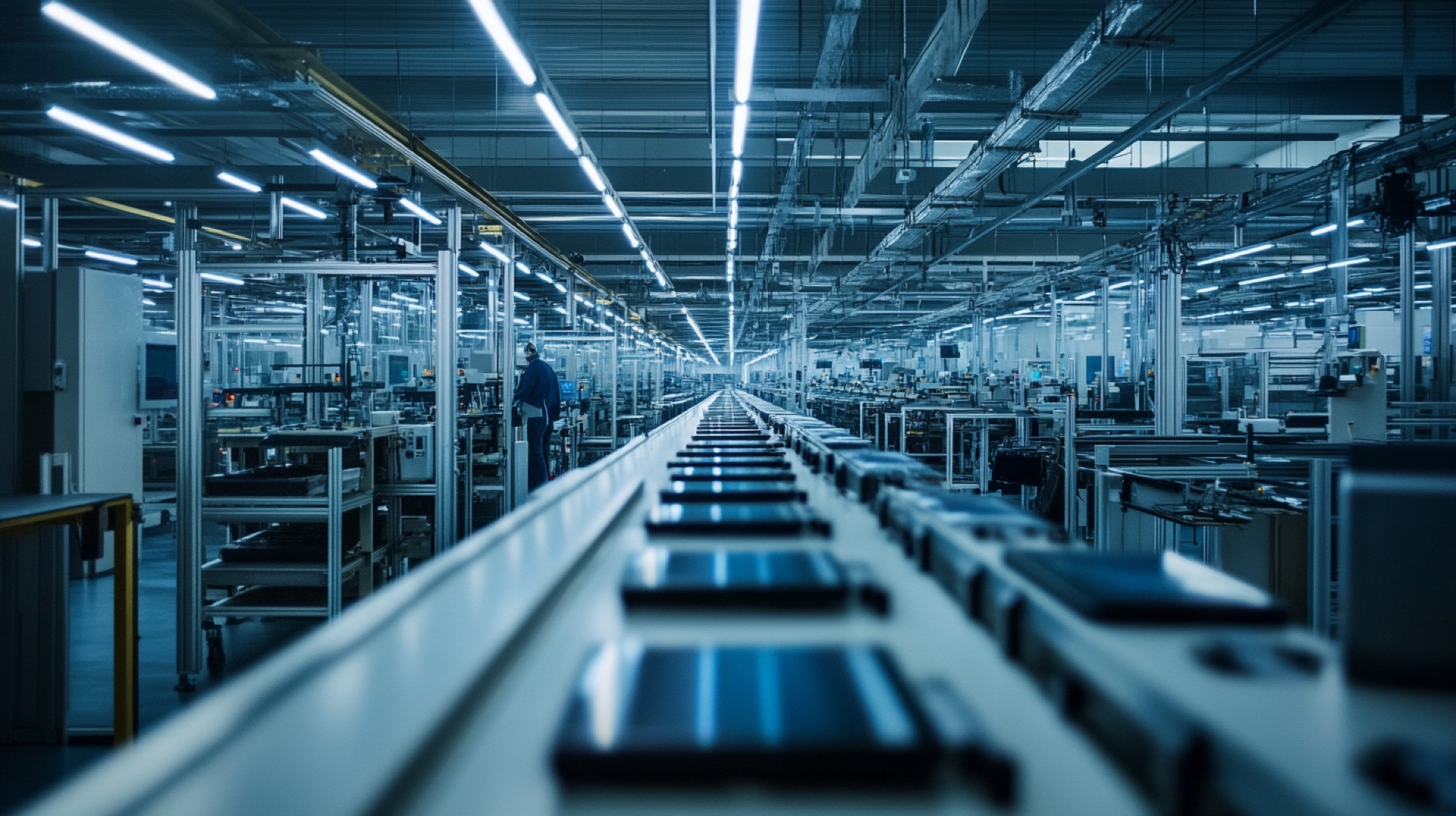
Every sector has its own failure mode. We've worked in all of them.
Electronic protection is not a generic problem. The failure mode for a hearing aid worn in a steamy bathroom is not the same as the failure mode for a PCBA mounted in an automotive chassis. The reliability standard for a medical implant is not the same as for a consumer wearable.
Talk to an engineerThe same engineering platform. Four sectors. One team.
P2i’s engineering team has deployed across every major sector in electronics — qualifying protection processes to the specific environments, supply chains, and regulatory frameworks each one demands. What connects all four verticals below is not a product. It is an engineering capability that has been built, qualified, and sustained across two decades of production deployments. Here is where that work has been done.
The problem
The environment your users don’t think about. The failure mode your warranty team does.
Consumer electronics face the widest range of real-world exposure — rain, sweat, condensation, bathroom humidity, the gym bag, the poolside. And the smallest form factors, the densest PCBA layouts, the thinnest enclosures. Protection has to work at the molecular level, because there is no physical room for anything thicker.
Add acoustic sensitivity — a microphone that must perform identically before and after coating — and the engineering complexity becomes clear. Most coating technologies don’t solve this. They protect the board or they preserve the sound. P2i’s plasma process does both.
The P2i answer
How we solve it
Barrier coating
P2i’s Barrier and Splash-Proof plasma coatings are deployed across hearing aids, wireless earphones, smartphones, and wearables globally. The plasma process significantly minimises masking requirements across complex surfaces — connectors, microphone membranes, densely packed PCBA — without changing audio performance, and without adding to the device’s form factor.
Splash-Proof coating
P2i has led the hearing aid category for over 15 years — the most acoustics-sensitive, miniaturised, reliability-critical consumer electronics application in the world. That engineering standard is what we bring to every consumer device we touch.
Platform coverage
Deployed across hearing aids, wireless earphones, smartphones, wearables, automotive, medical, and industrial IoT — globally.
90%+
Field failure reduction — consumer electronics, Splash-Proof coating
99.995%
First-pass yield — wireless earphones, parylene replacement (West Coast OEM)
50%
Field failure reduction — hearing aid sector deployment
100M+
Hearing aids protected — cumulative production record across 15+ years
Zero geometry change — the only coating that protects the microphone without touching the sound.
P2i’s plasma process is the only known coating technology that delivers full PCBA and device protection with no change to microphone performance or audio quality. For hearing aids, wireless earphones, and wearables, this is not a secondary benefit — it is the qualification requirement that eliminates every alternative. No masking. No acoustic compromise. No form factor change.
Applications
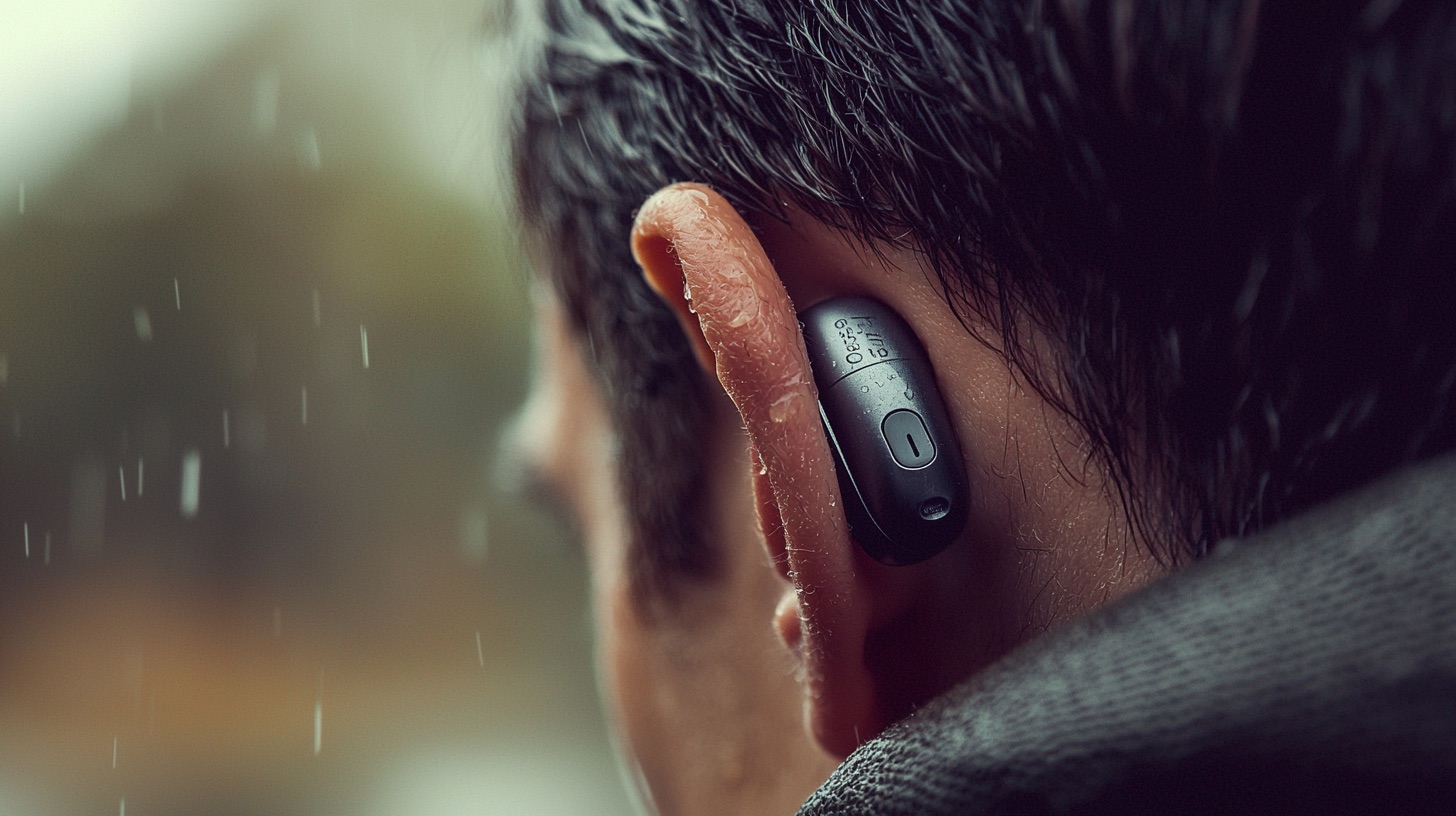
Hearing Aids
15+ years as the production standard. No masking. No audio compromise.

Wireless Earphones
99.995% first-pass yield. Parylene replaced across multiple factories.
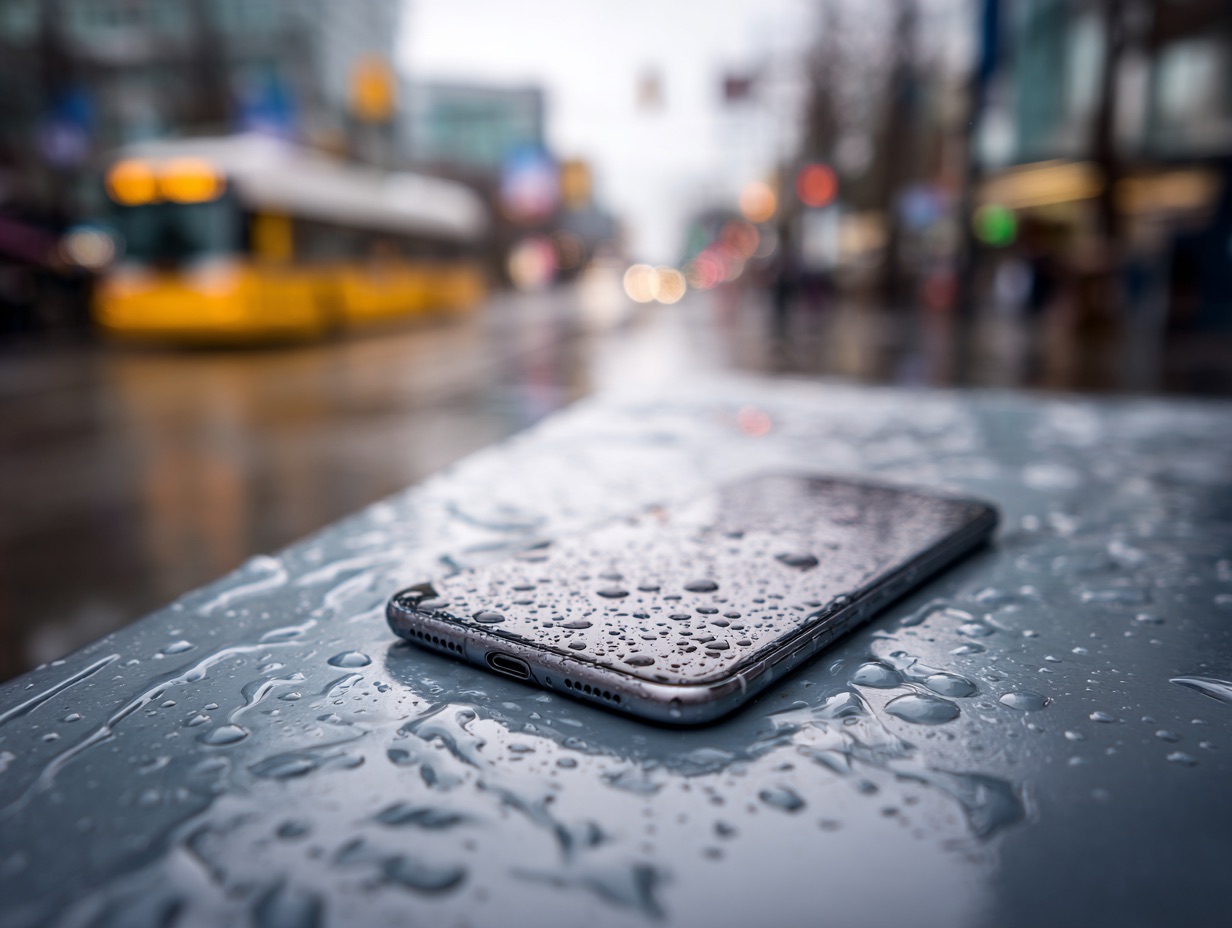
Smartphones
90%+ reduction in field failure returns. Full device treatment, no hardware change.
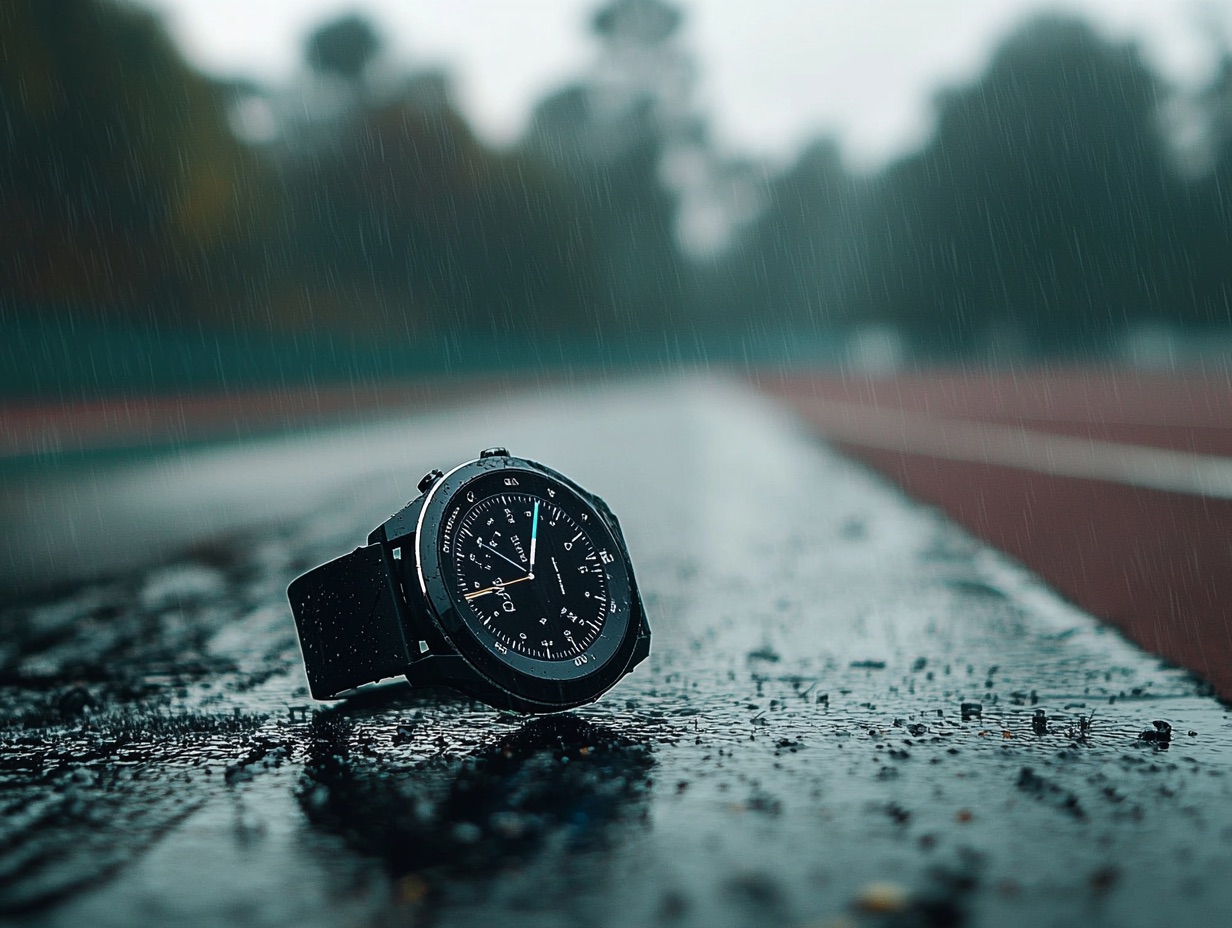
Wearables & Bands
Sweat, humidity, and wash-cycle exposure. No change to material feel or performance.
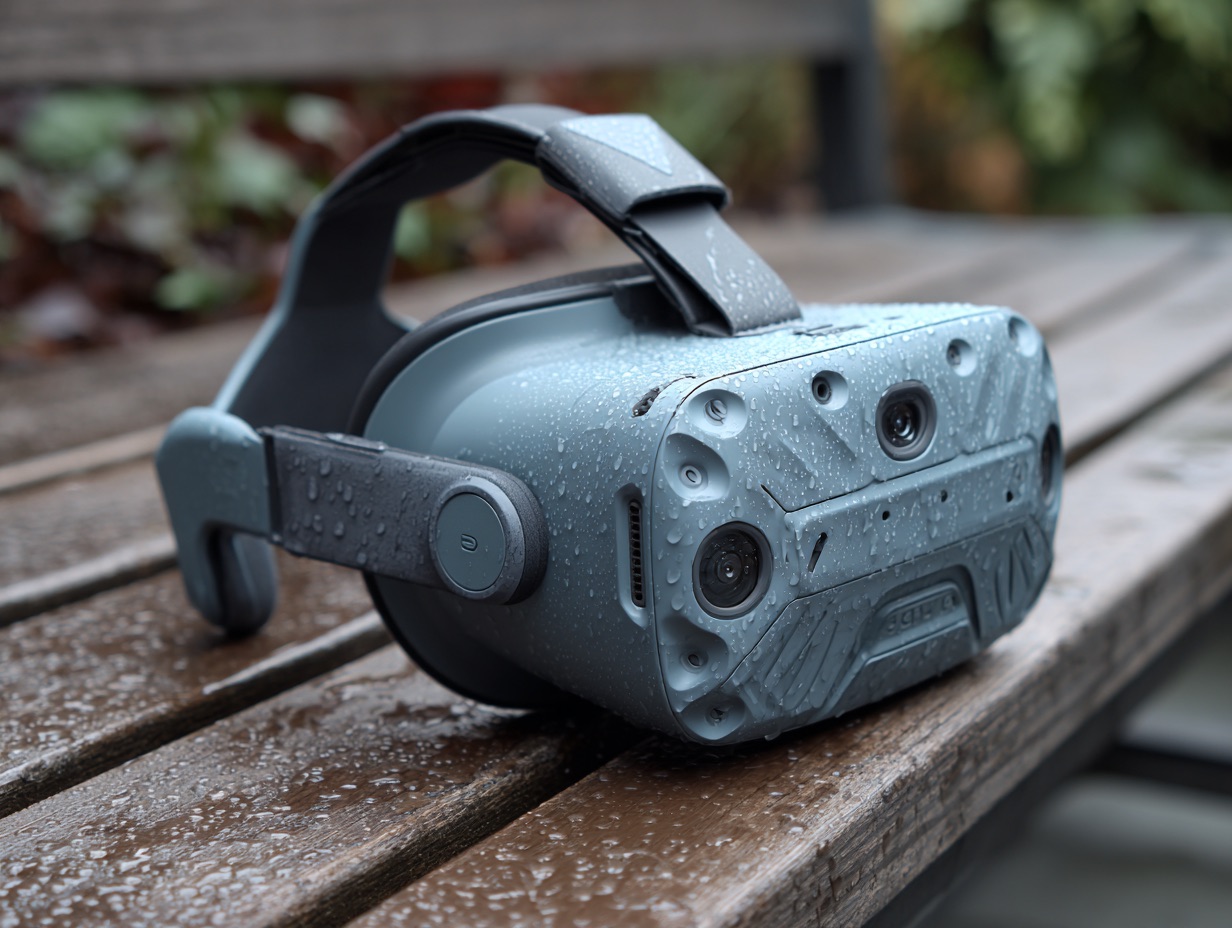
AR / VR & Gaming
Plasma penetrates every geometry mechanical seals cannot reach — including hinges and foldable sliders.
The problem
PCBA in environments that are expected to fail. Engineered not to.
Automotive electronics face conditions that would destroy standard consumer PCBA: under-bonnet heat cycling, road vibration, condensation behind sealed fascias, humidity extremes from -40°C to 85°C. Infotainment. ADAS. Powertrain control. Battery management. Every one of these applications has a specific protection requirement, a specific qualification standard, and a supply chain that runs through Tier 1 — not directly to the OEM.
P2i works with Tier 1 suppliers and their contract manufacturers — qualifying protection processes into existing production infrastructure without disrupting line speed or capital deployment.
The P2i answer
How we solve it
Barrier coating
P2i’s engineering team deploys plasma and liquid barrier coating in automotive applications — the technology selected depends on the PCBA environment, the thermal profile, the production line configuration, and the target qualification standard. P2i’s engineers make that recommendation, not the procurement team.
Plasma coating
For Tier 1 suppliers already running spray or dip infrastructure, LBC integration delivers high-throughput barrier protection with no new equipment. For applications where PCBA complexity and signal sensitivity demand molecular precision, plasma is the qualification path.
Platform coverage
Deployed across hearing aids, wireless earphones, smartphones, wearables, automotive, medical, and industrial IoT — globally.
Global production support — qualified at Tier 1 scale, wherever the factory is.
P2i’s factory-in-factory deployment model places coating equipment directly into Tier 1 and Tier 2 manufacturing sites — UK, China, or nearshore — with no capital expenditure. Equipment is deployed on an FOC basis; the per-unit fee model means cost scales with production, not with line setup. P2i engineers qualify the process on-site and remain embedded through production ramp.
Applications
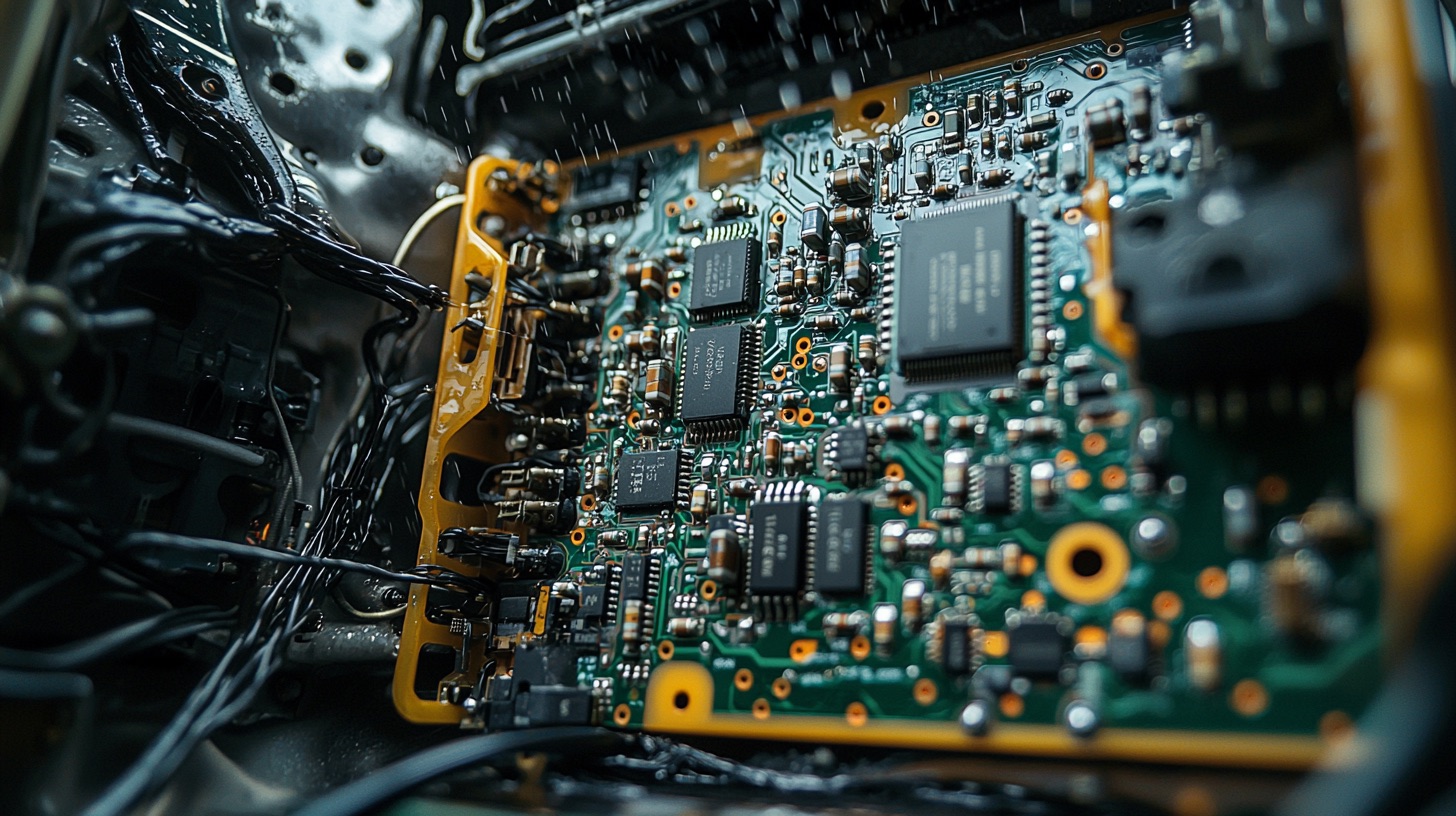
Infotainment & IVI
Qualified at 1.5M units/year across 3 factories at a European Tier 1 supplier.
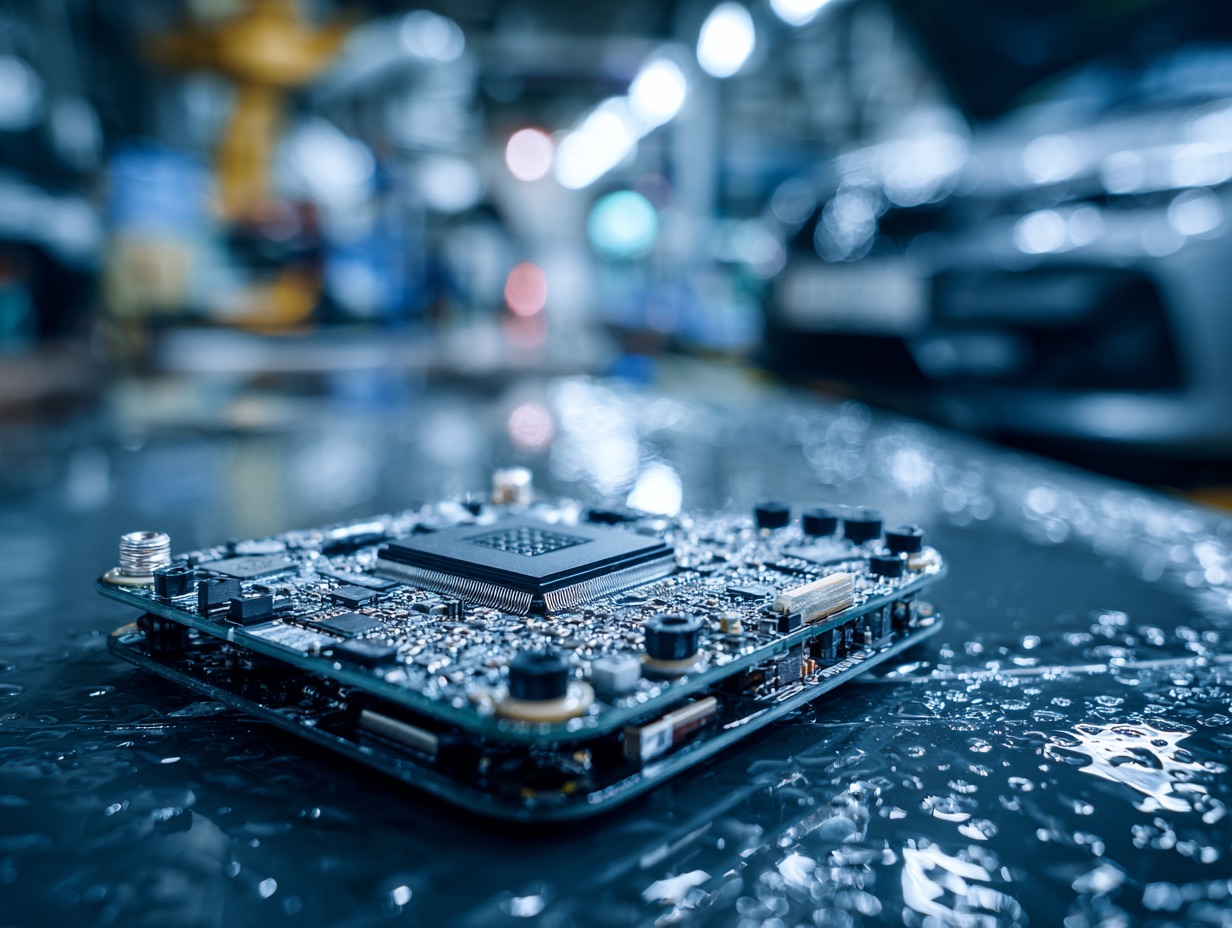
ADAS & Safety Systems
Zero field failure tolerance. Molecular penetration — 100% underfill on densely packed boards. Reworkable post-coating.
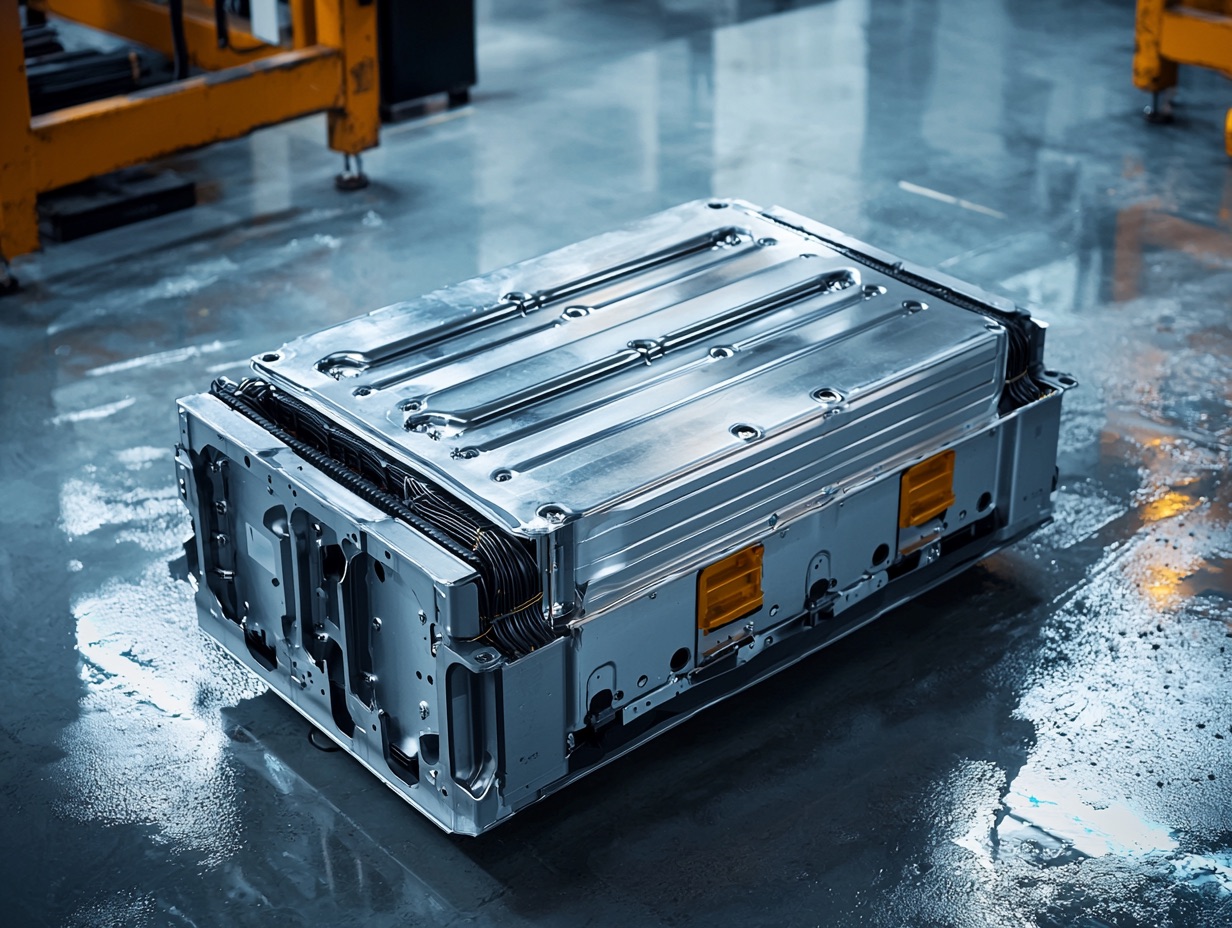
Powertrain & BMS
-40°C to 85°C thermal cycling. IPC-CC-830, MIL-I-46058, IEC-1086 and UL746E qualified.
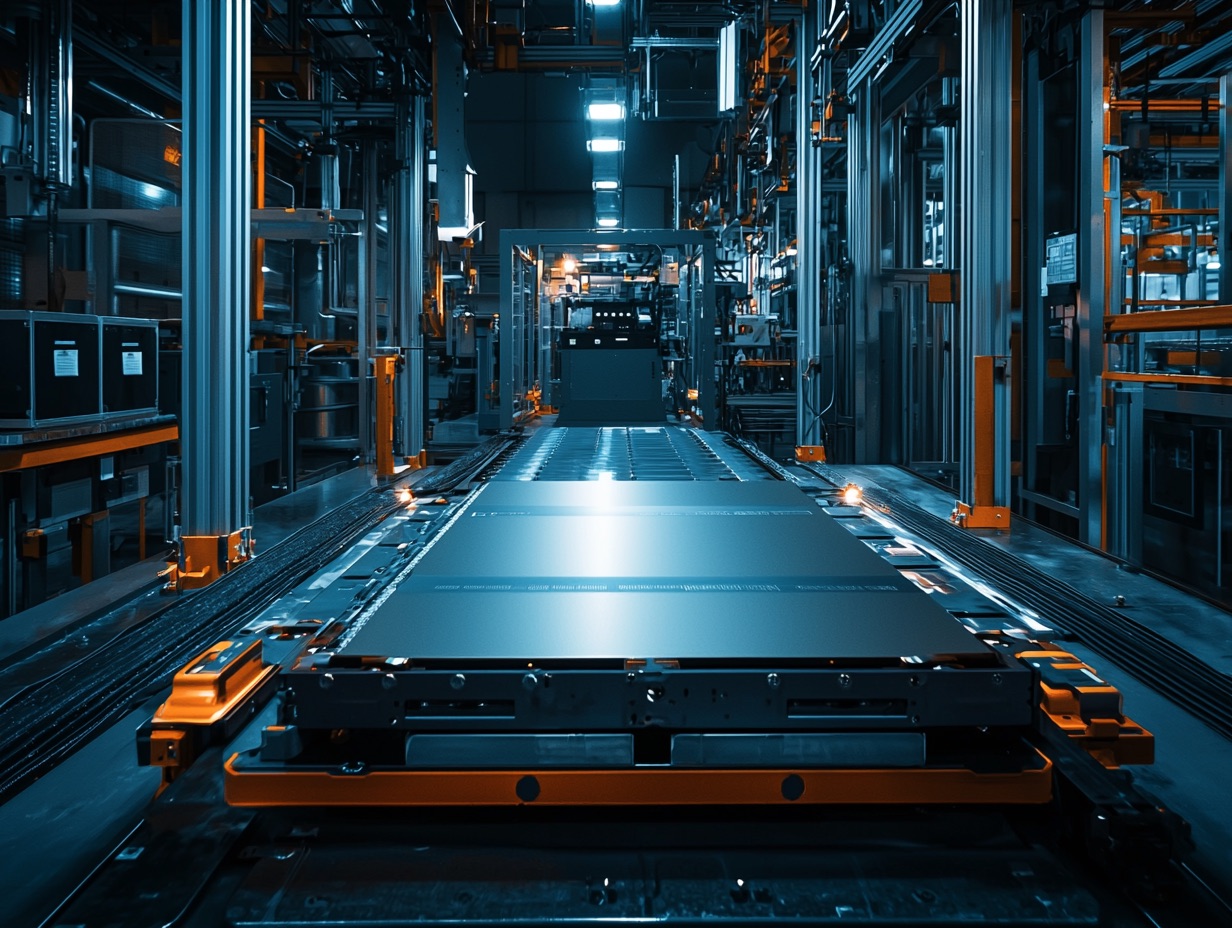
EV Charging & Power Electronics
Electrical insulation and corrosion protection — no added bulk, no keep-out zones.
The problem
Where coating failure is not a warranty cost. It is a patient outcome.
Medical devices operate in environments that are hostile by design — body temperature, perspiration, steam sterilisation, liquid immersion. The regulatory framework demands validated, repeatable processes. Field failure is not recoverable from a quarterly report — it is a recall, a regulatory investigation, and in the worst cases, a clinical event.
Protection cannot be a late-stage add-on for a medical device. It must be built into the qualification process from the beginning — with a coating that is validated, biocompatible where required, and reworkable without compromising sterility or regulatory status.
The P2i answer
How we solve it
Barrier coating
P2i’s plasma process is PFAS-free, solvent-free, and room-temperature — enabling qualification into medical production environments without chemical contamination risk. The covalent coating does not degrade, migrate, or delaminate under the humidity cycling and sterilisation conditions that destroy traditional conformal coatings.
Plasma coating
100% reworkability means components can be repaired or replaced post-coating without invalidating the device — a critical requirement for devices that may require field servicing or battery replacement.
Platform coverage
P2i’s engineering team works through the qualification process with the device manufacturer’s quality and regulatory teams — from QTP review to production sign-off.
P2i’s deepest medical-adjacent proof point is hearing aids — a medically-prescribed device class, with the strictest acoustic performance and moisture resistance requirements in consumer electronics. The engineering standard established there applies to every medical-adjacent application P2i qualifies.
Reworkability maintained post-coating — repair without re-qualification.
P2i’s plasma coating is 100% reworkable post-application. Components can be soldered, replaced, and repaired after coating without stripping or re-qualifying the protection layer. For medical devices subject to field servicing, battery replacement, or component swap — this is a qualification requirement most coating technologies cannot meet.
Parylene cannot be reworked. Potting compounds cannot be reworked. P2i can.
Applications
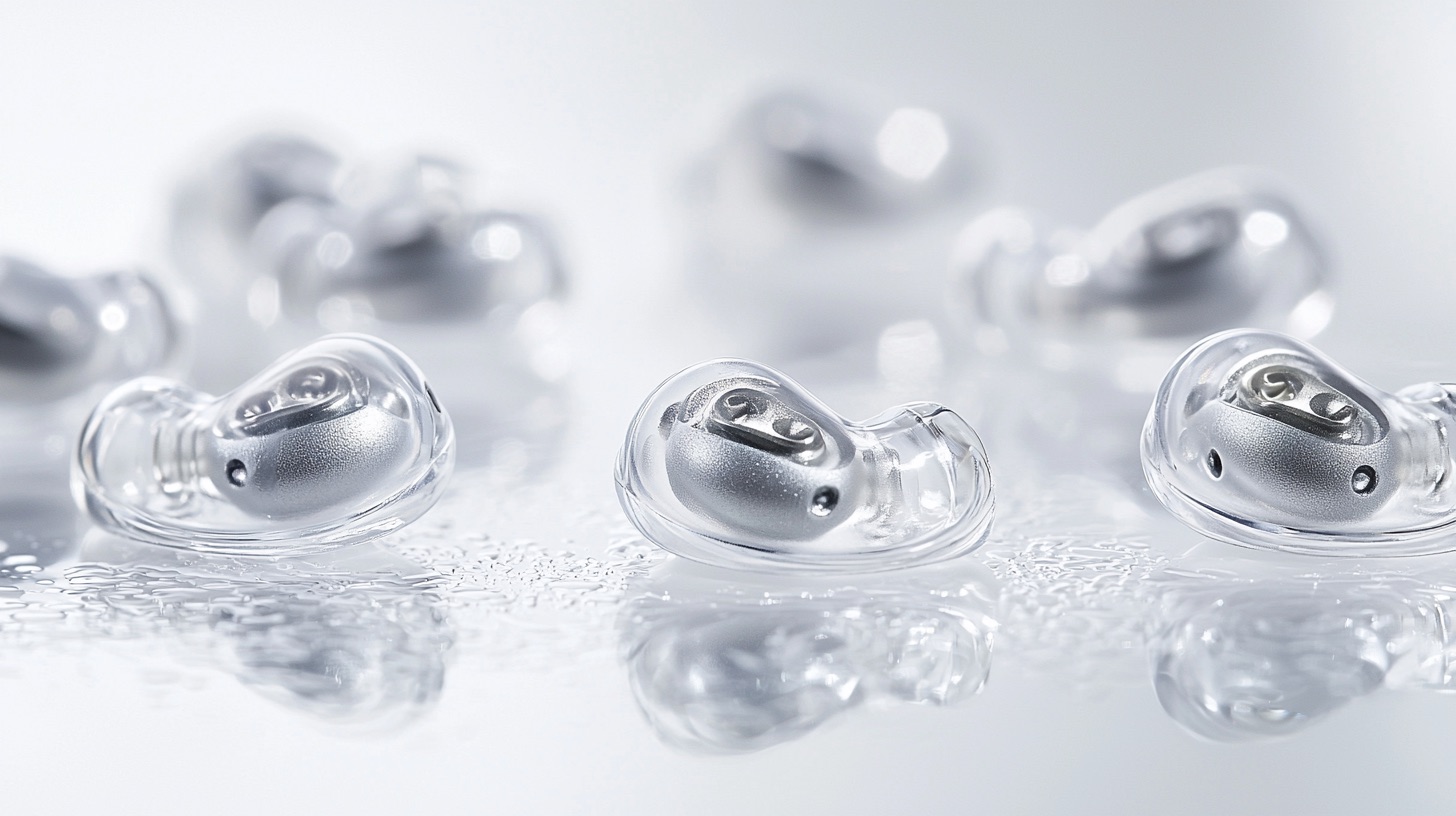
Hearing Aids & Implants
The most demanding acoustics and moisture resistance combination in any device class. 15+ years of production qualification.
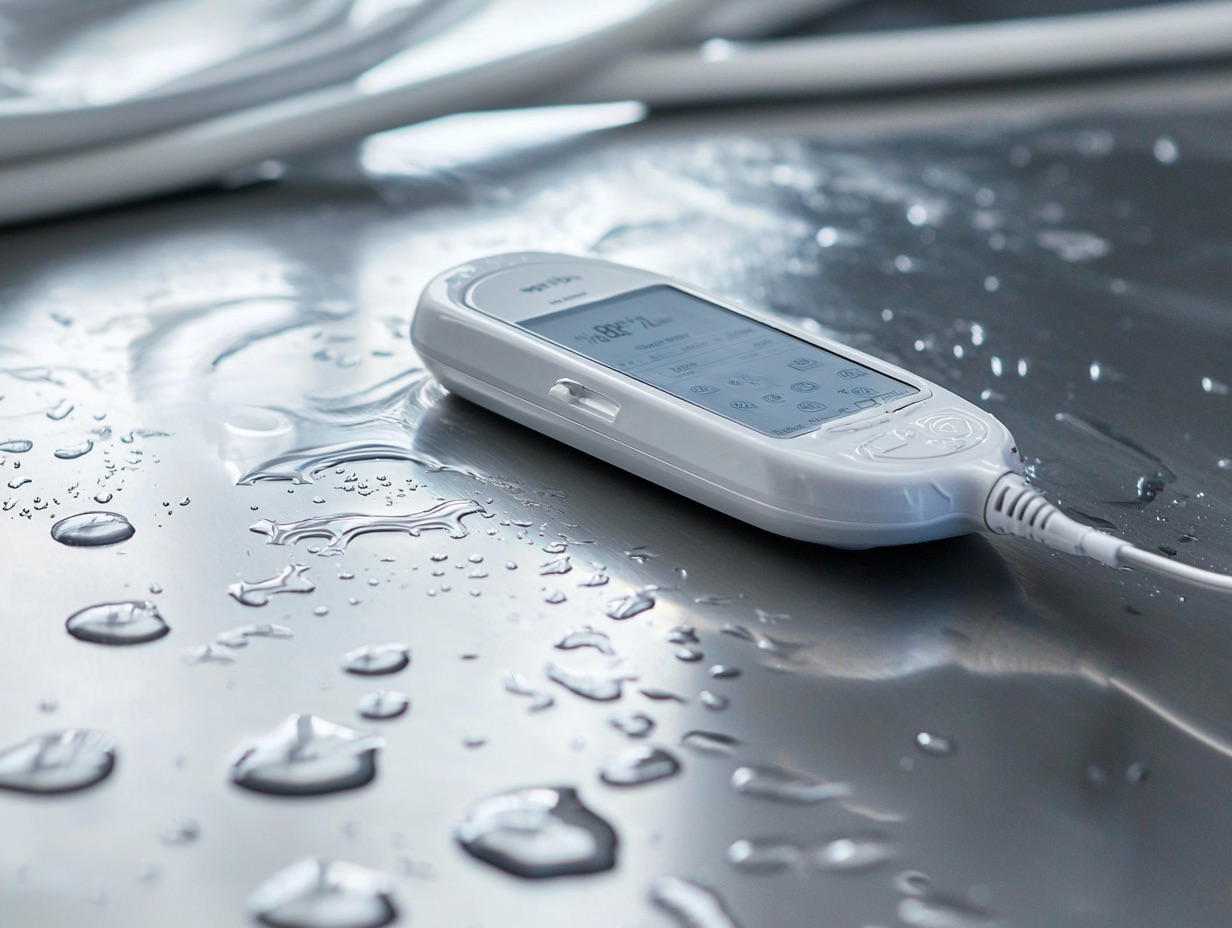
Wearable Monitors
Continuous skin contact, sweat and wash-cycle exposure. Non-irritating, non-allergenic, skin-contact approved.
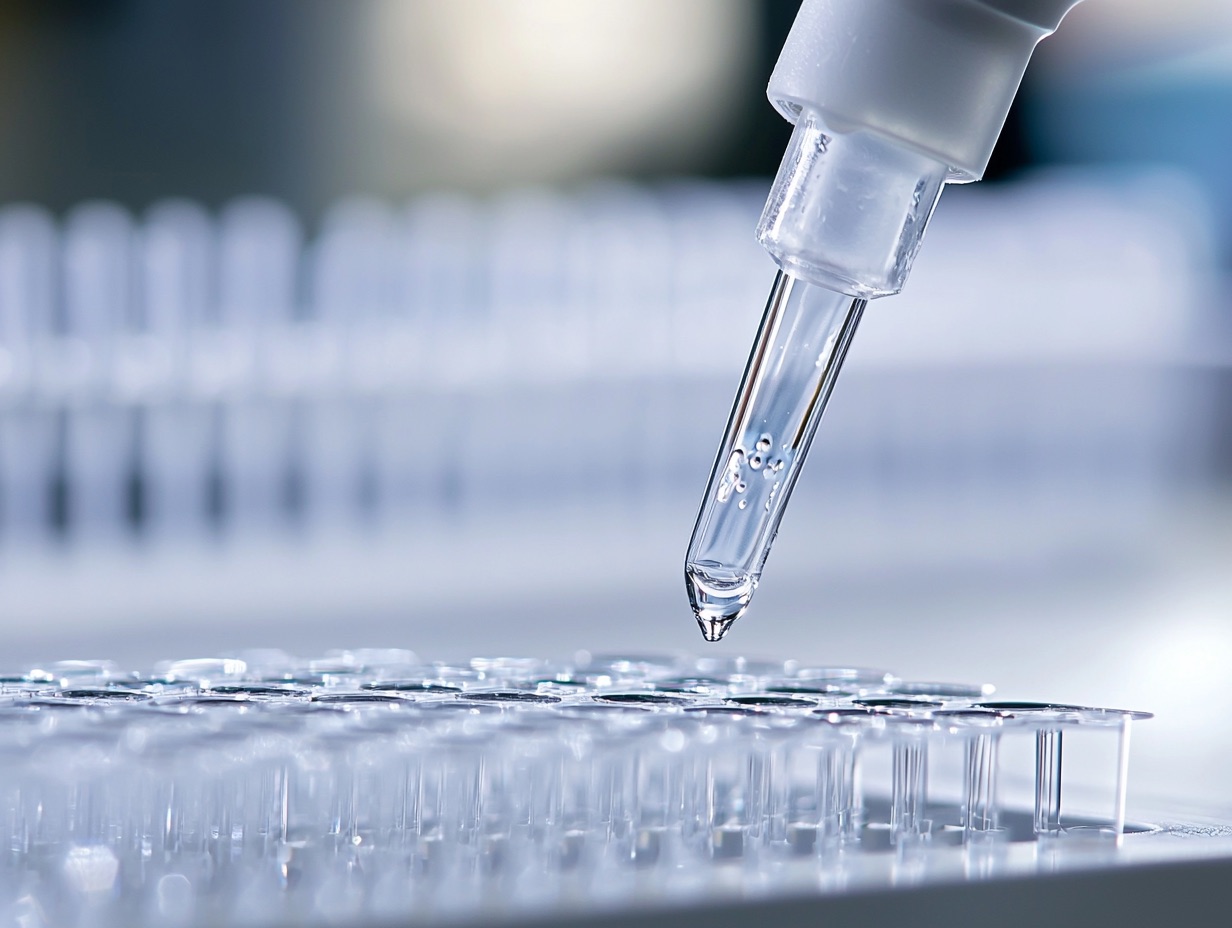
Diagnostic & Lab Equipment
Full-range lab liquid exposure — alcohol, oil, low surface tension reagents. Not just water.
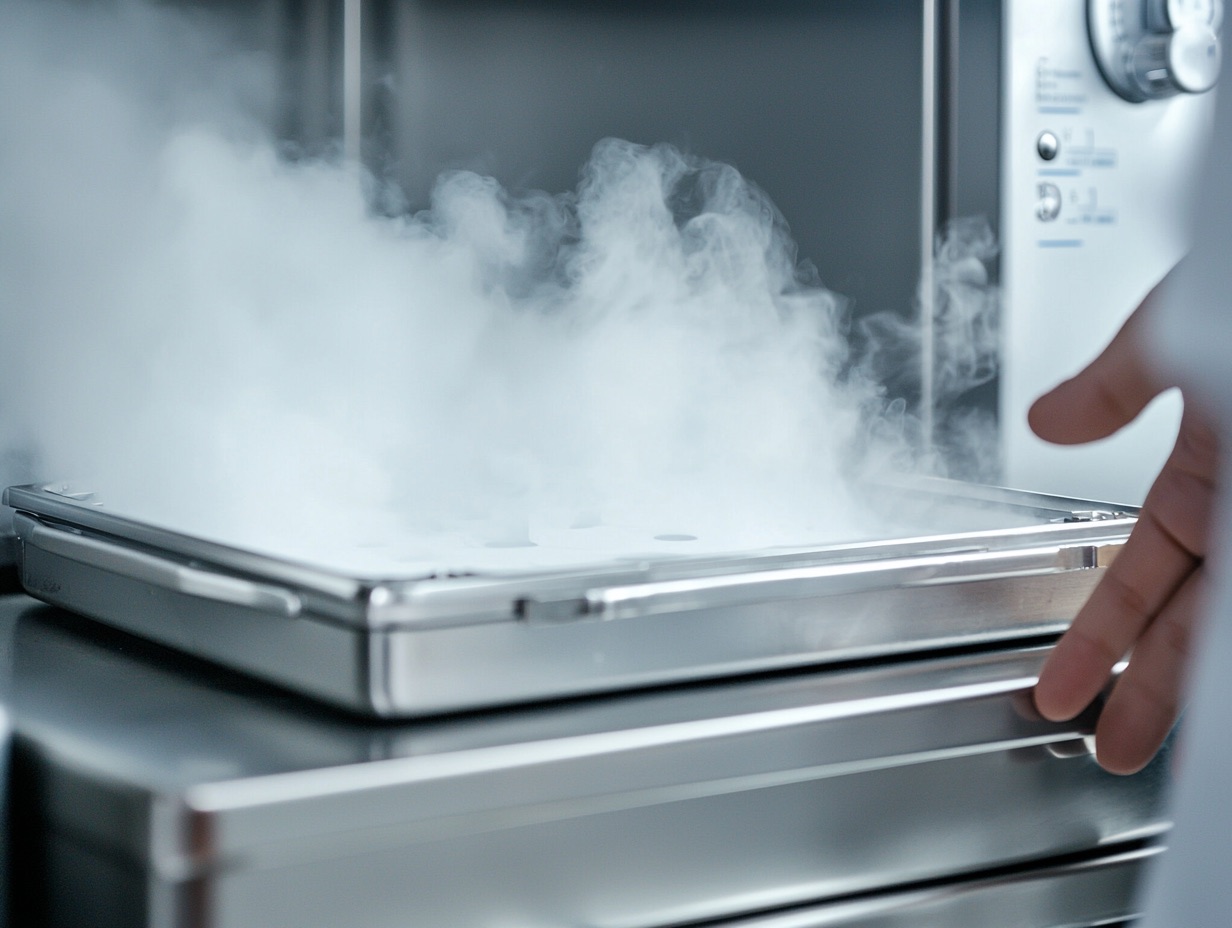
Surgical & Point-of-Care Devices
Steam sterilisation and repeated disinfection cycles. Covalent bonding — does not degrade, migrate, or delaminate.
The problem
Deployed in the field. No maintenance windows. No second chances.
Industrial IoT devices are designed to operate unattended — in factory floors, outdoor installations, agricultural environments, and critical infrastructure — for product lifetimes measured in years, not months. Humidity, condensation, chemical exposure, vibration, temperature cycling. The failure mode is not a customer return. It is a production shutdown.
Traditional conformal coatings — dip, spray, brush — were not engineered for the PCBA geometries or miniaturisation levels of modern IoT hardware. They are thick, they require masking, they are not reworkable, and they are inconsistent at scale. They were the right answer for a generation of industrial electronics that no longer exists.
The P2i answer
How we solve it
Barrier coating
P2i’s plasma and liquid barrier coatings are designed for the device architectures and production volumes of modern industrial electronics. The plasma process penetrates complex PCBA geometries — including sensors, dense component layouts, and mixed-signal boards — minimising masking requirements, without adding to form factor, and without compromising component accessibility for field service.
Plasma coating
For industrial devices that require ruggedisation across a wide temperature and chemical exposure profile, P2i’s engineering team qualifies the protection process to the specific environmental standard — not a generic IEC or IP rating exercise.
Platform coverage
Deployed across hearing aids, wireless earphones, smartphones, wearables, automotive, medical, and industrial IoT — globally.
100×
Cost of field failure vs. original assembly cost — financial case for specification-stage protection
0
Scrap achieved at production scale — IoT deployments replacing legacy conformal coating
Protection that works with your line — or builds alongside it.
P2i offers two deployment models. The factory-in-factory model places coating equipment directly into your production facility on a free-of-charge basis, with a per-unit commercial fee — no capital expenditure, no fixed overhead. For customers who prefer to own the equipment outright, capital equipment purchase is also available. Both models include P2i engineering support through qualification and production ramp. For industrial electronics where margins are tight and production runs are long, the right model is the one that fits your business — not a fixed offering.
Applications
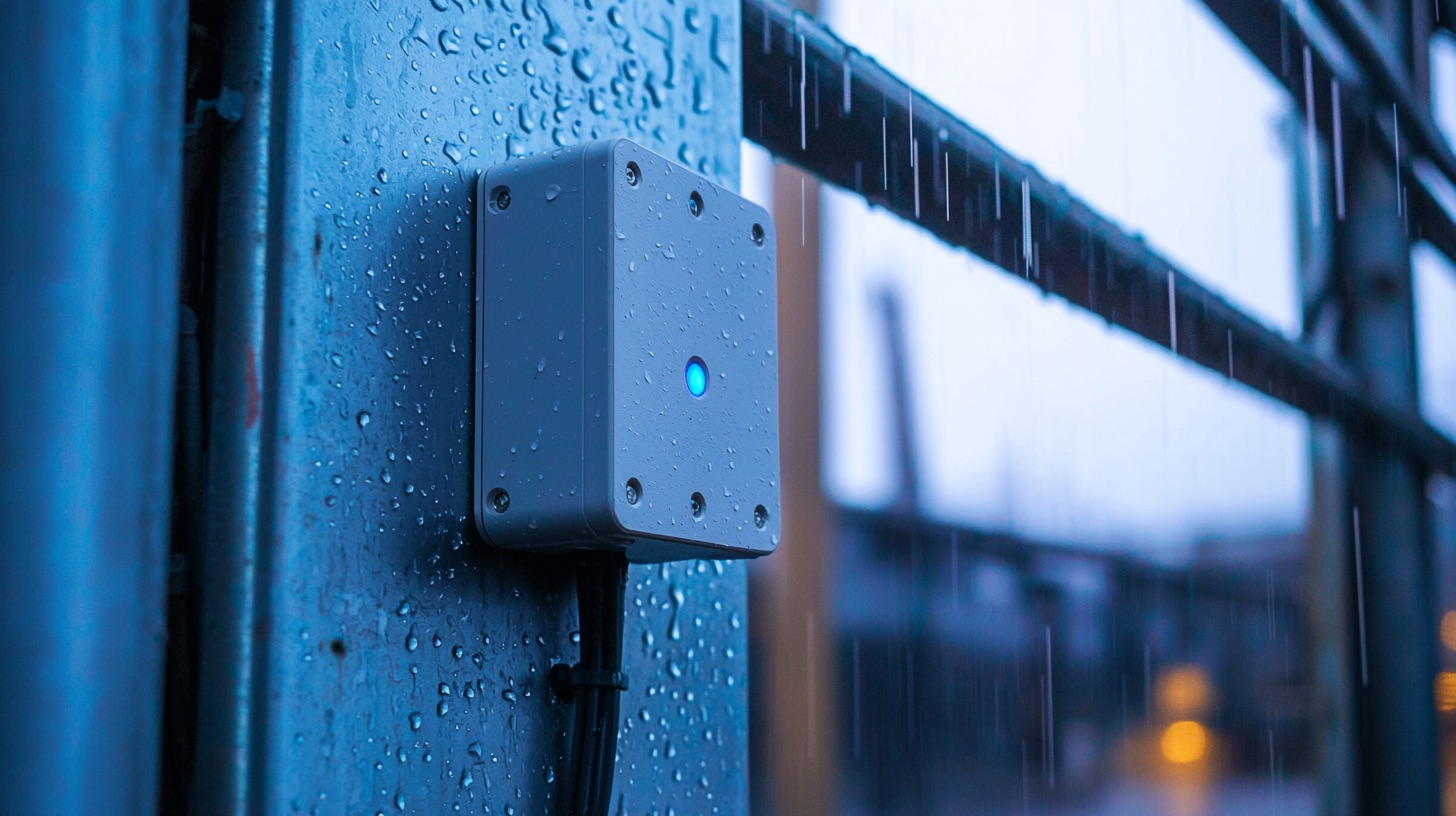
Industrial Sensors & IoT
Deployed unattended in the field. No maintenance windows. Complex PCBA geometries — no form factor change.

Point-of-Sale Terminals
High-touch, high-humidity, outdoor environments. Splash-Proof and Barrier protect from the inside — no external seal.
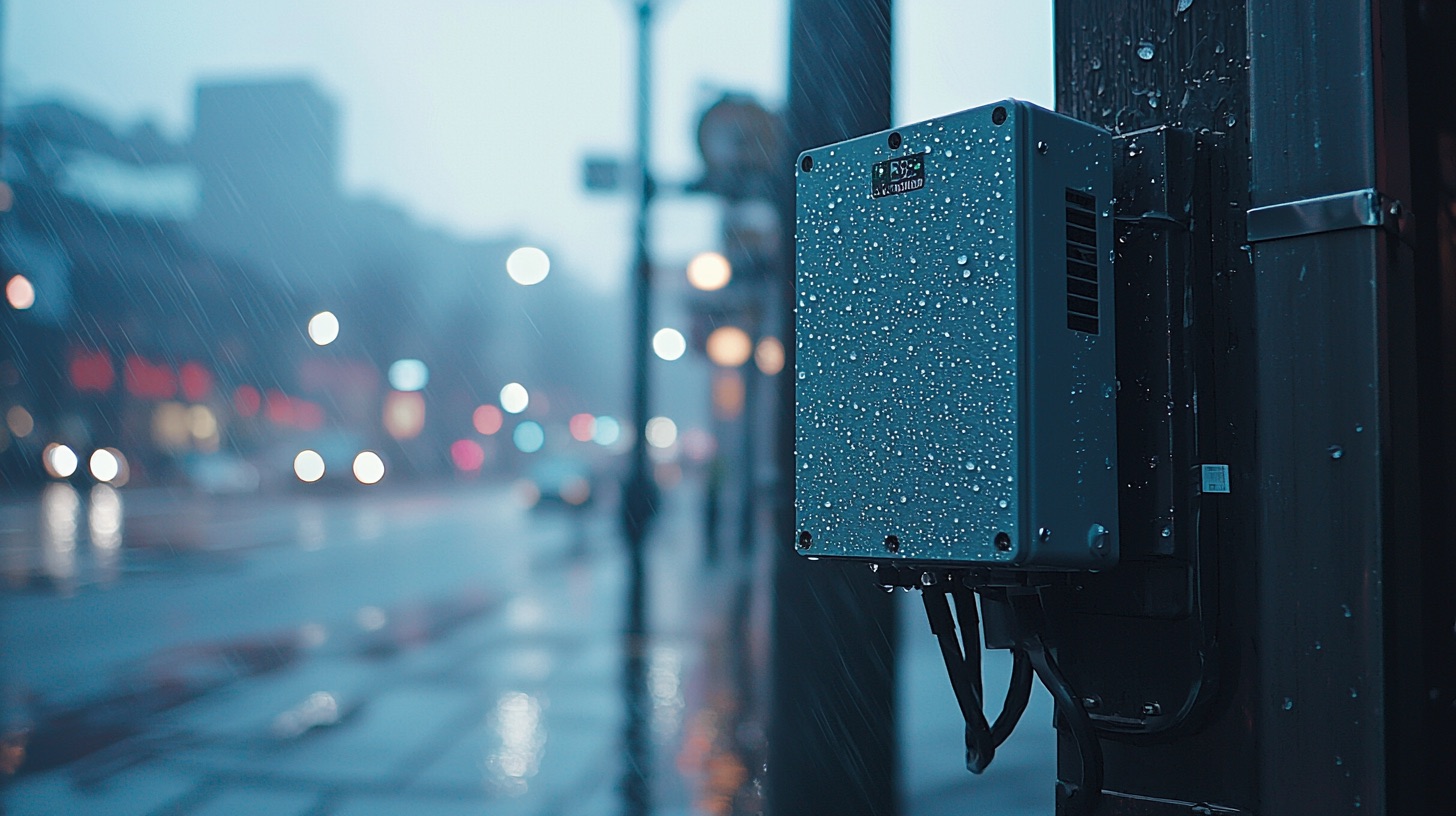
LED Lighting & Smart Infrastructure
Outdoor and semi-outdoor deployment. Field failures cost up to 100× the original assembly cost — P2i makes it an engineering choice.

Data Servers & IT Infrastructure
Condensation, humidity cycling, chemical exposure. Full electrical insulation — reworkability maintained.
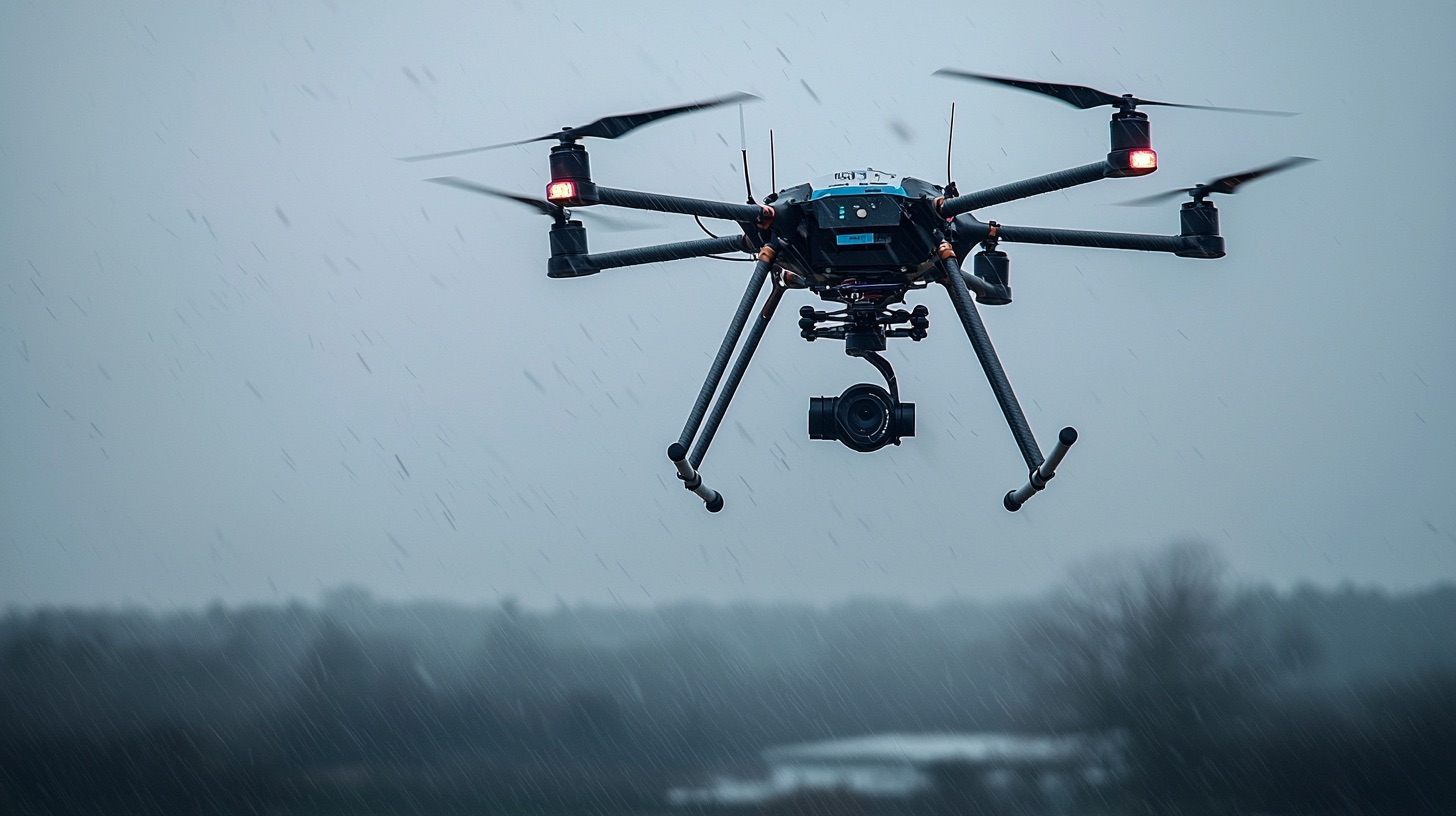
Drones & Autonomous Systems
Complex 3D geometries with intentional openings. Plasma penetrates everywhere mechanical protection cannot reach.

Tell us about your protection challenge.
Sector, application, production environment — our engineers have seen it.
Talk to the team that qualified protection at the hardest end of electronics manufacturing.