PFOA-Free Coatings for Hearing Aids — Compliance Without Compromise
EU restrictions on PFOA-related chemistries came into force in July 2025 for medical devices. For hearing aid manufacturers, the compliance deadline is real — but the more important question is what replaces legacy coatings without compromising the reliability, acoustic performance, and reworkability that define the category.
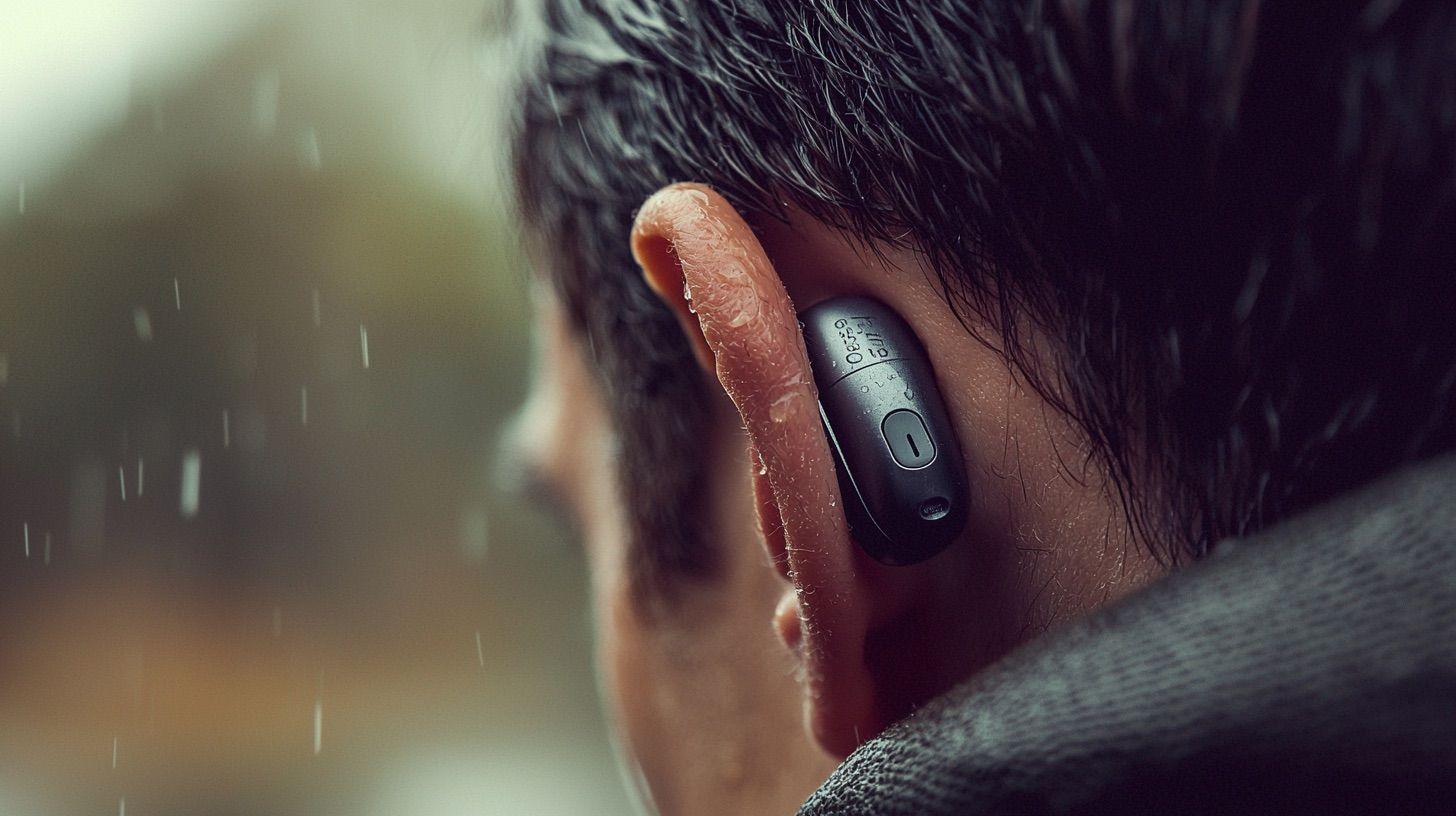
The EU regulation ending PFOA exemptions for invasive and implantable medical devices took effect in July 2025. For hearing aid manufacturers, this deadline has been visible for some time — but the engineering question it raises is more complex than simple chemistry substitution. The replacement coating has to protect against moisture and sweat at the levels hearing aid users encounter daily, leave acoustic performance completely unchanged, and support the rework and repairability that battery replacement and field servicing require.
P2i's molecular plasma coating for hearing aids has been PFOA-free since its original qualification in 2010 — fifteen years before the regulatory deadline. That timeline matters because it means the coating has been validated across real production environments and real user conditions for long enough to have a meaningful field record. Compliance was not retrofitted. It was engineered in from the start.
What the coating does
P2i's Splash-Proof and Barrier plasma coatings are applied at the molecular level — forming a conformal barrier across the entire PCBA surface, including connectors, microphone membranes, and densely packed component geometries, without adding measurable bulk or altering the acoustic pathway.
The coating is solvent-free and contains no PFAS or PFOA-related substances. It is applied in a dry, room-temperature plasma process — no wet chemistry, no volatile organics, no cure cycle. The result is protection that meets IPx3 through IPx8 exposure requirements depending on process selection, with no change to microphone performance or audio quality.
This last point is not a secondary benefit for hearing aids. It is the primary qualification requirement that eliminates most alternative coating technologies from consideration. Mechanical seals and gaskets add bulk and constrain geometry. Traditional liquid conformal coatings can alter membrane response. P2i's plasma process does neither.
Reworkability and lifecycle cost
Hearing aids have long product lifetimes and require field servicing — battery replacement, component swap, repair after accidental damage. Coatings that cannot be reworked post-application drive scrap and increase the cost of servicing at scale.
P2i's plasma coatings are 100% reworkable. Components can be soldered, replaced, and repaired after coating without stripping or re-qualifying the protection layer. For manufacturers managing warranty return costs and sustainability targets simultaneously, reworkability is a commercial requirement as much as a technical one.
Beyond compliance
Regulatory compliance is the threshold requirement. The more durable commercial case for P2i's coating is the field reliability record it has built across 15+ years in the hearing aid category — a reduction in field failure returns, lower warranty costs, and the engineering confidence that comes from a protection process qualified at production scale across every major hearing aid manufacturing region in the world.
If you are a hearing aid manufacturer managing the PFOA transition or qualifying a new protection process, our engineering team reviews your Qualification Test Plan and device specifications before making a recommendation. Get in touch to start the conversation.