Every Last Drop Counts: Improving Pipette Tip Performance for Precision Biomedical Applications
In many biomedical and life science environments, success can depend on something almost impossible to see.
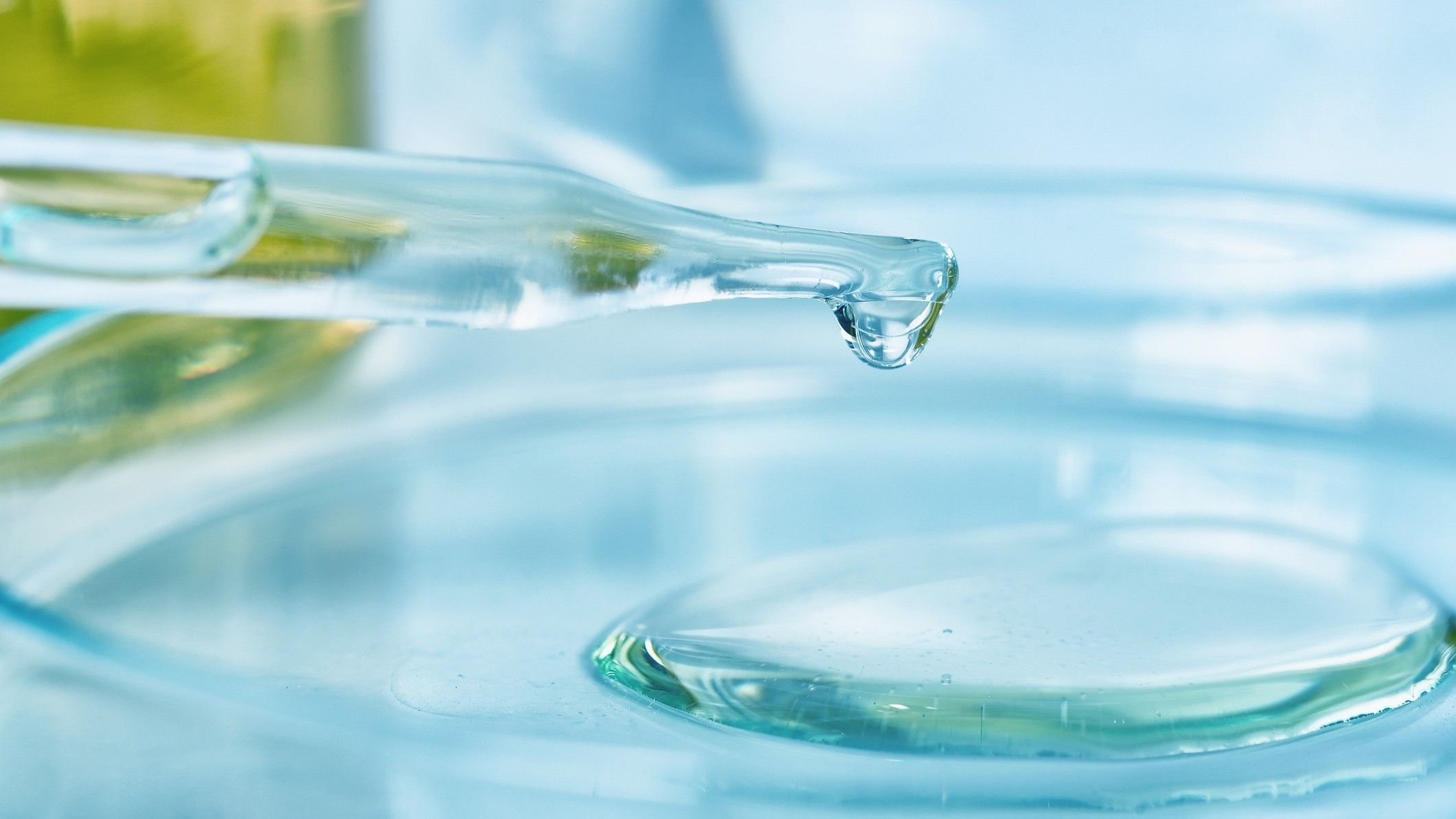
In many biomedical and life science environments, success can depend on something almost impossible to see.
Researchers may be working with volumes measured in microlitres – or even fractions of a microlitre – handling high-value DNA samples, specialist proteins, reagents, or biological liquids where even minimal retention inside a pipette tip can influence consistency, yield, repeatability, and ultimately the reliability of an experiment.
When the material inside the tip is worth hundreds of thousands of pounds per microgram, losing even a tiny amount becomes more than an inconvenience.
That’s why surface performance inside pipette tips is becoming an increasingly important consideration.
The Hidden Challenge Inside a Pipette Tip
Pipette tips are designed to transfer liquids accurately and repeatedly, but not all liquids behave the same way.
Standard aqueous solutions may dispense relatively predictably, but more challenging media can behave very differently:
- Protein-rich liquids
- DNA and RNA samples
- Low surface tension solvent
- More viscous biological formulations
- Complex biomedical mixtures
These liquids can cling to internal surfaces, creating residual hold-up inside the tip after dispensing.
That retained material may seem insignificant, but at ultra-low volumes it can lead to:
- Reduced transfer accuracy
- Sample waste
- Lower experimental repeatability
- Increased variability between tests
- Reduced confidence in results
For researchers attempting to extract meaningful conclusions from extremely small sample sizes, every retained droplet matters.
Why Traditional Surface Treatments Can Create New Problems
Historically, some approaches have relied on polymer additives to alter surface properties and improve liquid release.
While these approaches can offer benefits, they may introduce new challenges.
Additives can migrate or leach over time, potentially affecting long-term consistency of dispense behaviour and creating variability across the surface.
For biomedical and analytical applications where purity and repeatability are critical, maintaining stable surface functionality becomes increasingly important.
The market continues to look for solutions that combine:
- Consistent liquid repellency
- Rapid, uniform dispensing
- Durability over time
- Non-leachable performance
- PFOA-free chemistry
A Surface-Engineered Approach to Liquid Repellency
P2i’s approach focuses on changing how the surface behaves – without relying on bulk additives.
Using an ultra-thin, PFOA-free coating technology, P2i creates an extremely low surface energy interface designed to repel a broad range of low surface tension liquids.
The objective is straightforward: encourage liquids to leave the pipette tip cleanly, consistently, and completely.
By reducing liquid adhesion inside the tip, the coating supports:
- More complete dispense performance
- Lower residual volume left behind
- Greater consistency across repeated cycles
- Improved handling of difficult biological fluids
- Reliable surface functionality without leaching concerns
Because the coating is ultra-thin, the functional performance is achieved without materially altering the geometry of the component.
Better Dispense Performance Means Better Experimental Confidence
For laboratories and biomedical manufacturers, improving pipette performance is not simply about convenience – it’s about confidence.
Confidence that valuable samples reach their destination.
Confidence that repeated tests behave consistently.
And confidence that tiny variations inside a consumable component are not influencing critical scientific outcomes.
When applications depend on transferring one-millionth of a litre accurately, getting every last drop out of the pipette tip can make all the difference.
To explore how P2i supports advanced liquid management and surface functionality across precision applications, get in touch with the team today.