Automotive PCBA Thermal-Management Coatings: Protection Across the Product Lifecycle
As automotive electronics become more power-dense and reliability-critical, the coating chosen at design stage has implications across the entire product lifecycle — from NPI yield to field repairability. P2i's plasma nanocoatings are built for all three stages.
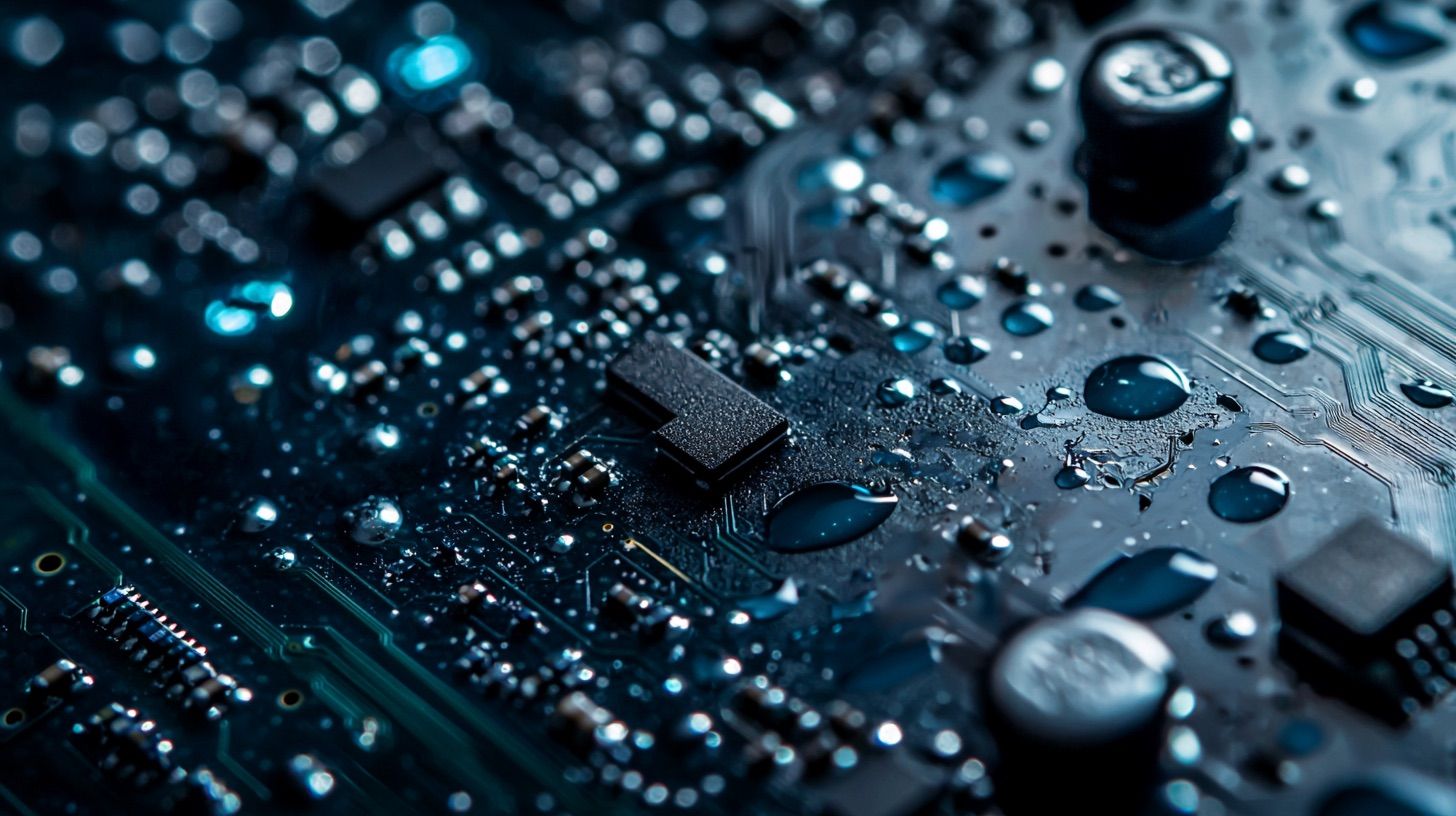
In automotive electronics, thermal management and environmental protection have traditionally been treated as separate engineering problems. Thermal interface materials handle heat. Conformal coatings handle moisture and corrosion. The assumption is that protective coatings are thermally neutral — that they sit on the board without meaningfully affecting how heat moves through it.
P2i's plasma nanocoatings challenge that assumption. Applied at the molecular level, they deliver robust protection against moisture, salt, and contaminants while maintaining the thermal transparency that dense, power-hungry automotive PCBAs require. The coating does not obstruct heat pathways or add bulk — it follows the surface geometry of the board at nanometre scale, protecting without intervening.
This matters at every stage of the automotive electronics product lifecycle.
Design and architecture
For hardware architects and PCB design engineers, coating selection influences layout decisions from the start. Traditional conformal coatings add thickness that limits component placement density and constrains trace routing options. P2i's ultra-thin plasma process removes that constraint — components can be positioned closer together, supporting higher functionality in smaller enclosures, without compromising thermal performance or protection reliability.
Integrating coating specification early in the design process, rather than treating it as a late-stage qualification step, gives engineering teams more options and fewer surprises at NPI.
New Product Introduction
NPI teams face consistent pressure: achieve consistent coverage, maintain manufacturability, and hit yield targets without adding process complexity. Conventional liquid conformal coatings often require extensive masking, longer cure cycles, and additional inspection steps — all of which add time and cost to the qualification phase.
P2i's pulsed-plasma process applies evenly across complex surface geometries — connectors, underfill areas, component edges — without masking requirements for standard automotive PCBA configurations. The result is simpler production runs, fewer rejects, and rework procedures that do not require stripping and re-qualifying the protection layer.
Repair and remanufacture
In the repair and remanufacturing context, coatings determine whether a component can be recovered or must be scrapped. Heavy or brittle coatings make solder rework difficult and trap heat during the repair process.
P2i's coatings remain thin enough at the molecular level to support efficient rework and reapplication. Boards can be repaired, reused, and returned to service — supporting sustainability targets and reducing waste across the automotive electronics supply chain. For repair engineers and product sustainability teams working to extend component lifetimes, this reworkability is a qualification requirement, not a secondary benefit.
PFAS-free across the portfolio
P2i's automotive coating processes are available in PFAS-free formulations, ahead of the regulatory direction in the EU and key export markets. For Tier 1 suppliers managing compliance roadmaps alongside engineering qualification timelines, this removes a category of risk from the coating decision.
If you are qualifying protection for automotive PCBA applications — infotainment, ADAS, powertrain control, or battery management — our engineering team reviews your Qualification Test Plan and device specifications before making a recommendation. Get in touch to start the conversation.